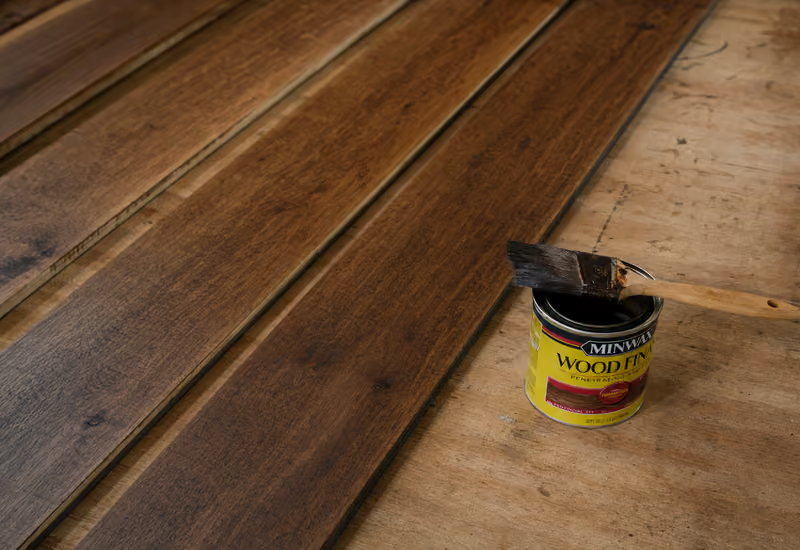
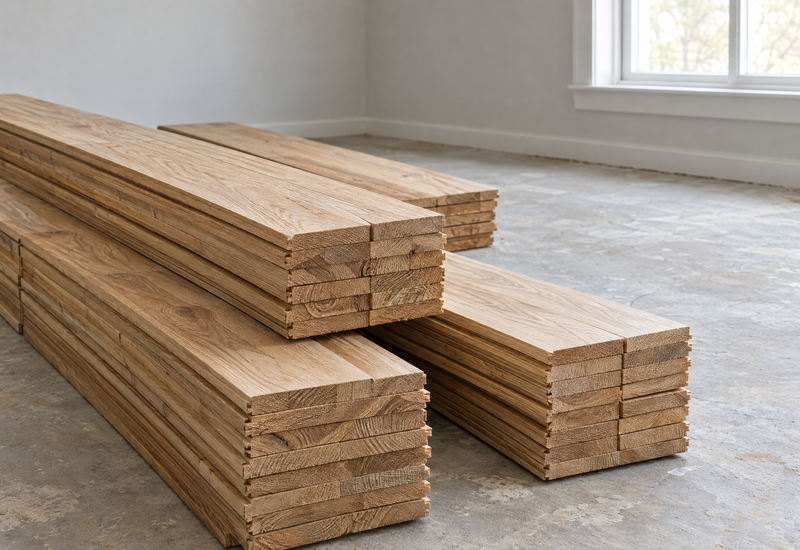
Hardwood or LVP? It is the most debated flooring question of 2026. Here is an honest comparison of both options so you can make the right choice for your home, lifestyle, and budget.
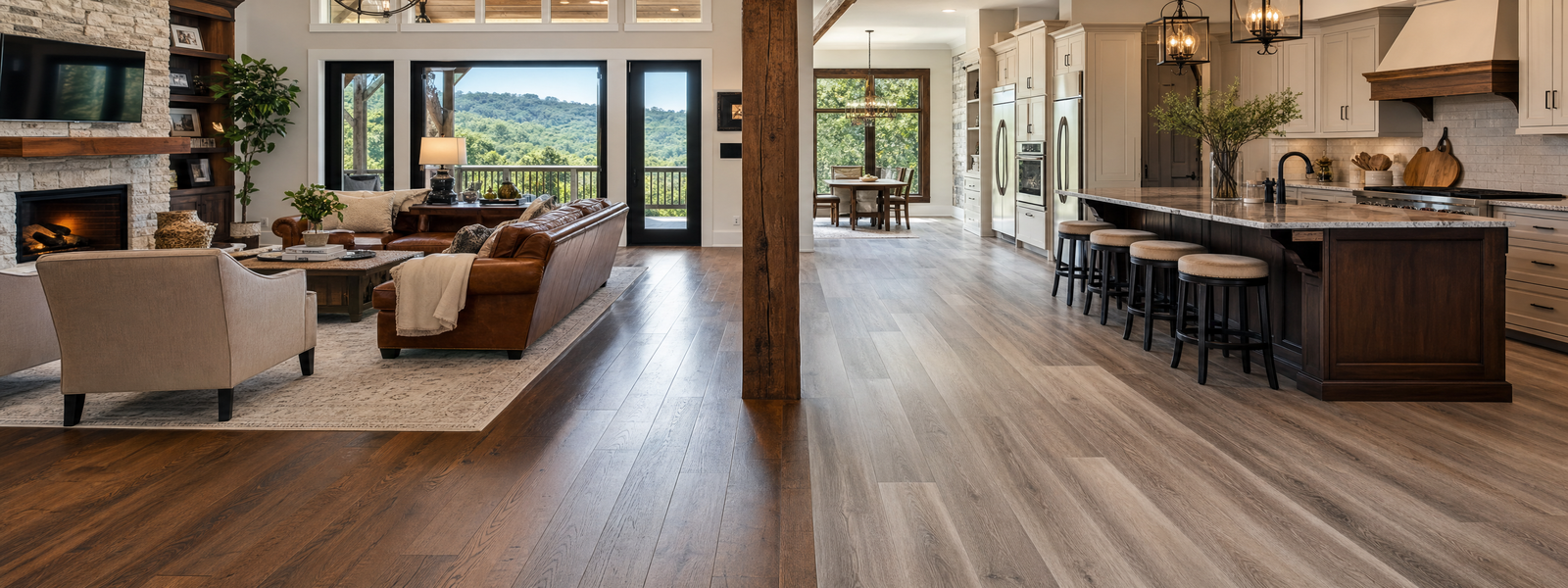
When it comes to upgrading the floors in your home, the choices can feel overwhelming. In 2026, the two most debated options among homeowners are traditional hardwood flooring and Luxury Vinyl Plank, commonly known as LVP. Both offer beautiful aesthetics and excellent performance, but they serve different needs, budgets, and lifestyles.
If you are trying to decide between the timeless appeal of real wood and the modern durability of vinyl, you are not alone. Copeland Hardwood Floors breaks down the pros, cons, and key differences to help you make the best decision for your home.
Luxury Vinyl Plank has exploded in popularity over the last decade, and for good reason. LVP is a synthetic flooring material designed to mimic the look of natural wood, stone, or tile. High-quality LVP features realistic textures and high-definition printing that can fool even a trained eye at first glance.
The biggest advantage of LVP is its durability against moisture. Most LVP products are 100% waterproof, making them an ideal choice for kitchens, bathrooms, laundry rooms, and basements where real wood might warp or cup. LVP is also highly resistant to scratches and dents, making it a favorite for busy households with large dogs or active children. Additionally, LVP is generally more budget-friendly than real hardwood, both in material costs and installation labor. It can often be installed directly over existing hard surfaces, saving time and money on demolition and subfloor preparation.
While LVP offers incredible practicality, it cannot replicate the authentic feel, warmth, and long-term value of real hardwood flooring. Whether you choose solid hardwood or engineered hardwood, real wood brings a natural beauty and unique character to a home that synthetic materials simply cannot match. Every plank has its own grain pattern and history.
The most significant advantage of hardwood is its longevity and impact on home value. While LVP may need to be completely replaced in 15 to 20 years when it begins to show wear, a solid hardwood floor can last a century or more. When hardwood gets scratched or the finish dulls, it does not need to be torn out. Through professional hardwood floor refinishing, the floor can be sanded down to bare wood and completely restored, often allowing you to change the stain color to match new design trends.
Real estate professionals consistently report that homes with real hardwood floors sell faster and for higher prices than homes with synthetic flooring. Hardwood is an investment that pays dividends when it comes time to sell.
The best answer depends entirely on the specific room, your lifestyle, and your long-term goals for the home.
LVP makes the most sense for moisture-prone areas like full bathrooms, laundry rooms, and below-grade basements. It is also a strong choice when budget is the primary concern and you need a highly durable surface for heavy pet traffic.
Hardwood is the right choice for main living areas like living rooms, dining rooms, hallways, and bedrooms. It is the better option when you want to increase the resale value of your home, and when you appreciate the authentic feel of natural materials that can be restored rather than replaced.
If you love the look and value of real wood but need a bit more stability, engineered hardwood is the perfect middle ground. It features a real wood veneer over a stable plywood core, making it less susceptible to moisture and temperature changes than solid wood. It can be installed over concrete slabs and still offers the premium look and feel of traditional hardwood.
Choosing the right floor is a big decision, but you do not have to make it alone. Copeland Hardwood Floors offers expert hardwood installation and can help you weigh the pros and cons of different materials based on your home's specific environment and goals. If you are ready to upgrade your floors and want to explore your options, contact Copeland Hardwood Floors today for a professional consultation.
Is hardwood flooring better than LVP?
It depends on the room and your priorities. Hardwood is better for long-term home value, authenticity, and refinishability. LVP is better for moisture-prone areas and households that need maximum scratch and water resistance.
Does LVP add value to a home like hardwood does?
Not to the same degree. Real hardwood consistently adds more resale value than LVP because buyers recognize it as a premium, long-lasting material. LVP is a practical upgrade but does not carry the same premium in the market.
Can LVP be refinished like hardwood?
No. When LVP wears out, it must be replaced entirely. Hardwood can be sanded and refinished multiple times over its lifespan, making it a far more sustainable long-term investment.