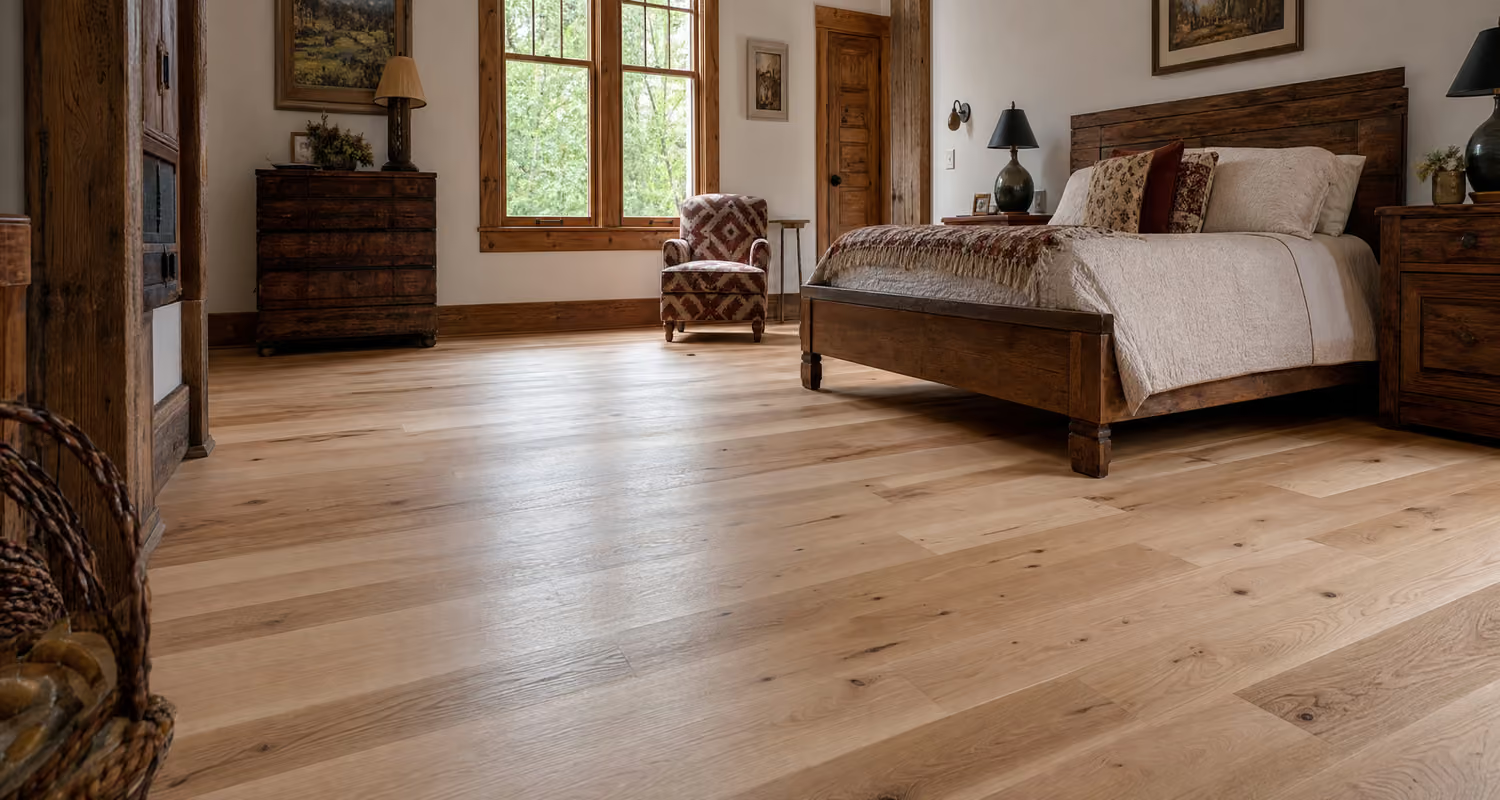
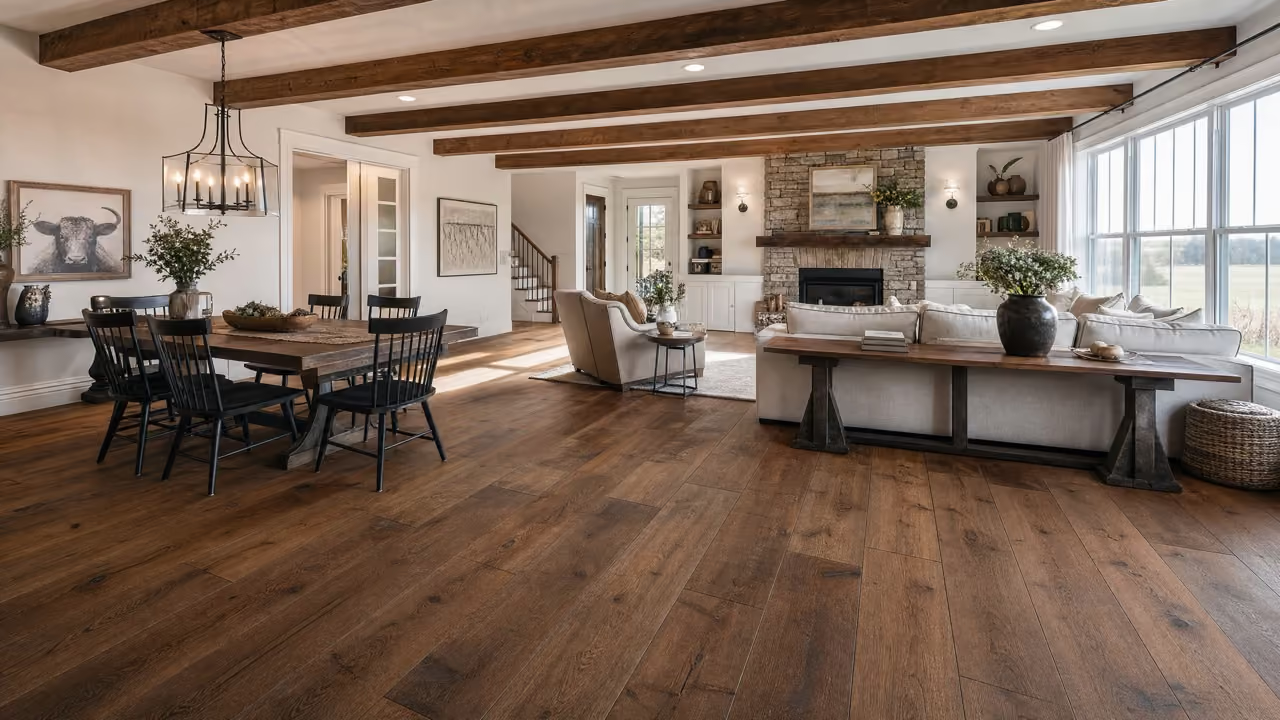
Copeland Hardwood Floors builds fully custom site-finished hardwood floors for homes in Gallatin, TN — your species, pattern, stain, and finish.
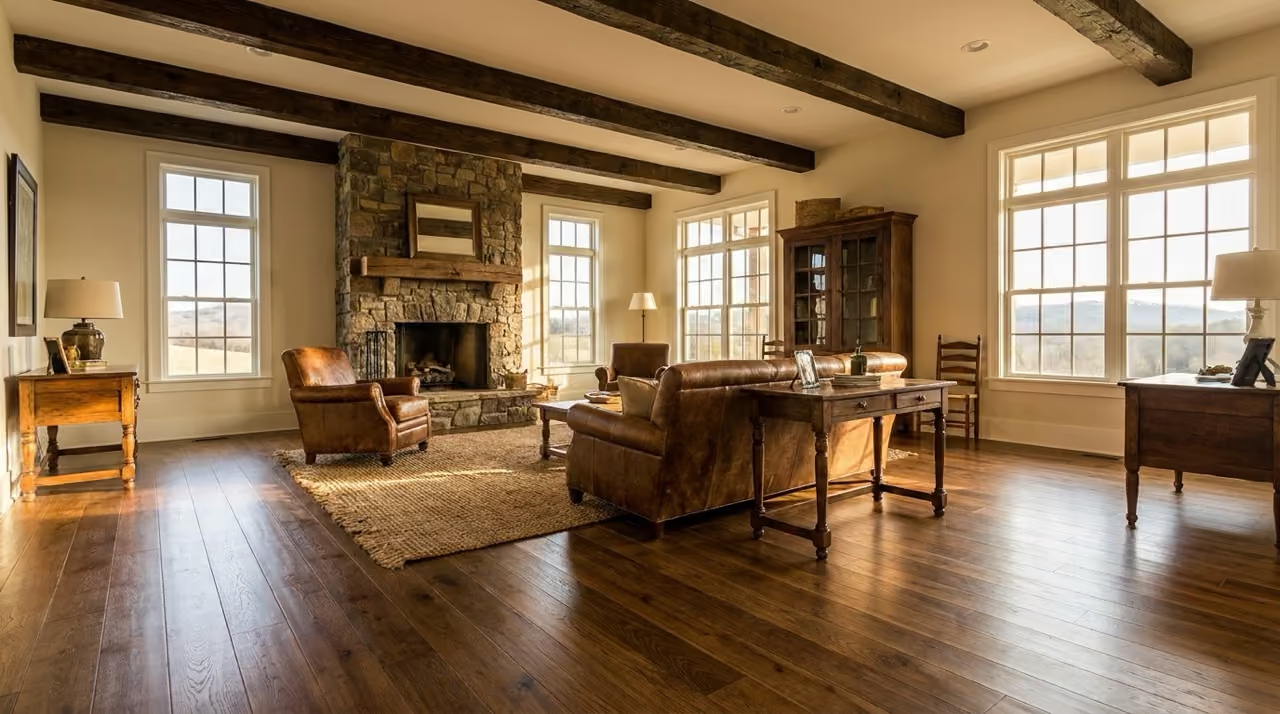
There is a difference between a floor that was installed and a floor that was crafted. Most flooring projects start with a product and work backward. Custom hardwood starts with your home, your style, and your vision, then builds forward from there. At Copeland Hardwood Floors, custom hardwood means choosing the species, the width, the cut, the stain, the finish sheen, and the installation pattern that fits the home you have worked hard to build. Every detail is selected with purpose. Every board is laid with care. The result is a floor that does not look like it came from a showroom. It looks like it belongs exactly where it is. Copeland serves homeowners in Gallatin, Hendersonville, Lebanon, Goodlettsville, and surrounding Middle Tennessee communities who want hardwood floors that stand apart.
What Goes Into a Custom Hardwood Floor
A custom hardwood floor is not one single decision. It is a series of choices that work together to create a finished result that fits the home and holds up over time.
Wood Species: The species determines the grain, color range, hardness, and character of the floor. Options include white oak, red oak, walnut, maple, hickory, and exotic species like Brazilian cherry, tigerwood, and acacia.
Board Width and Cut: Wider planks create a more open, dramatic look while narrower strips give a traditional appearance. The cut — flat sawn, quarter sawn, or rift sawn — affects both the grain pattern and how the floor responds to seasonal movement.
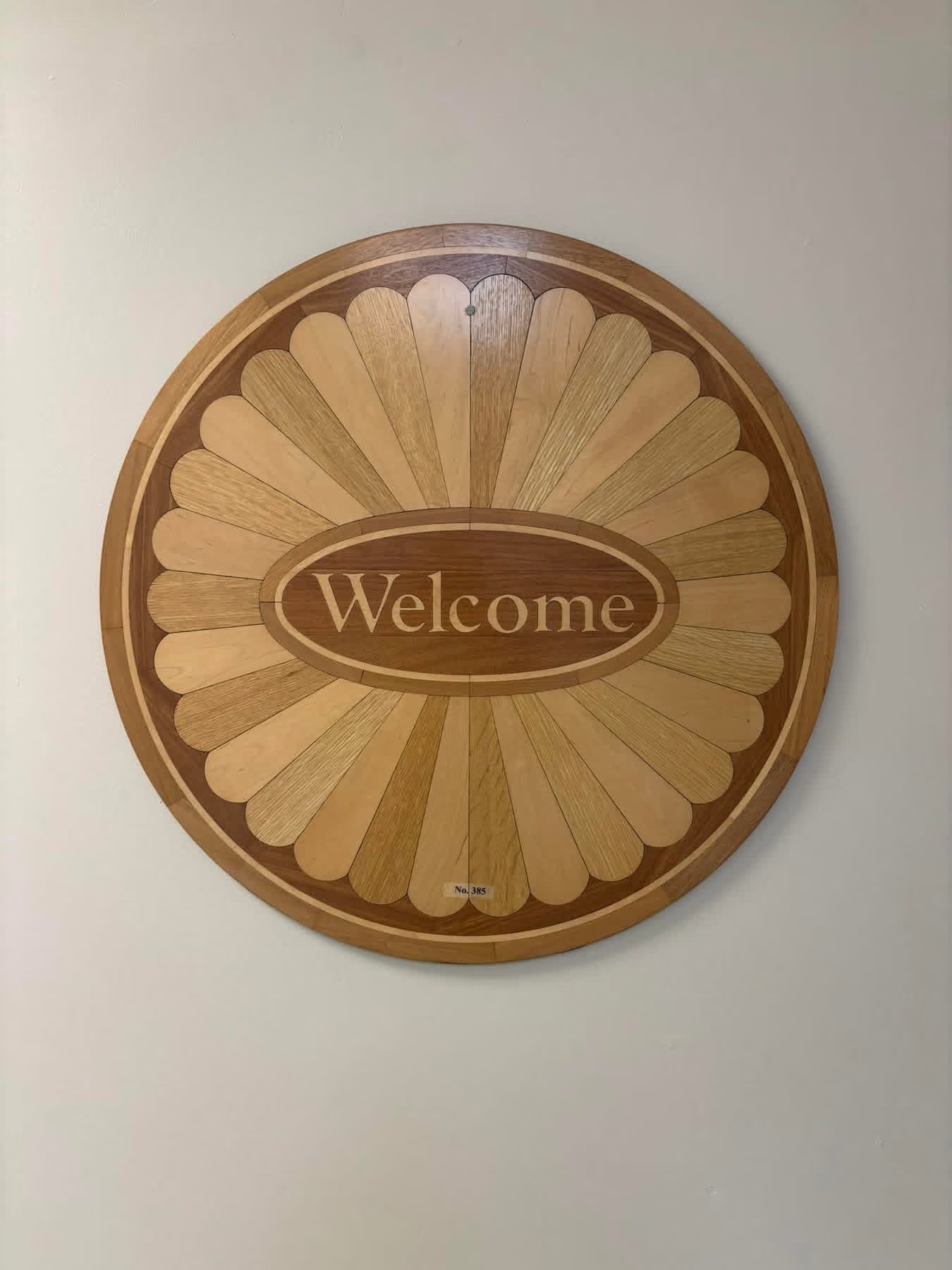
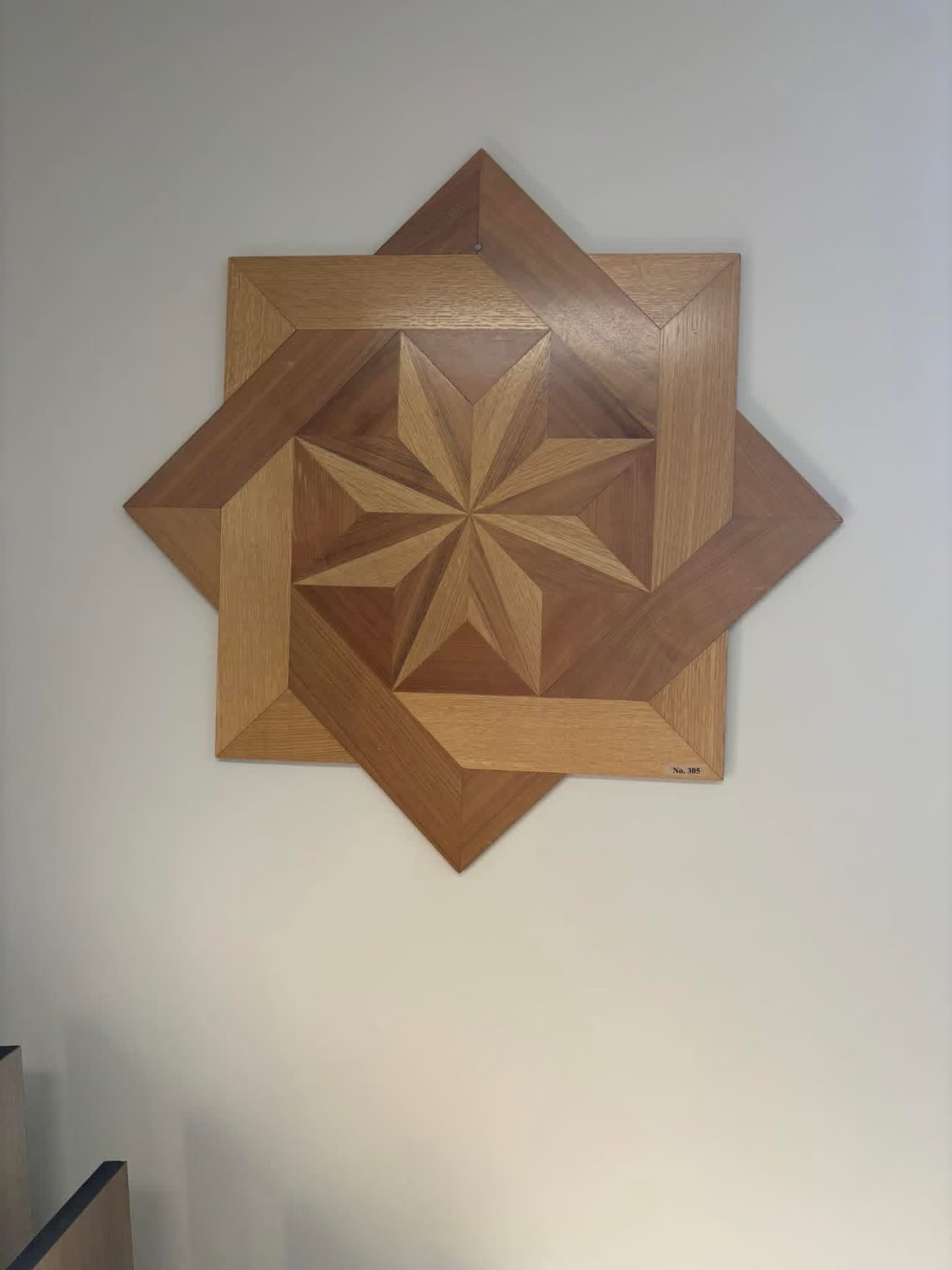
Installation Pattern: From clean straight runs to herringbone, chevron, diagonal, parquet, and mixed-width patterns, the layout gives a room its own distinct character.
Stain Color and Finish: Site-finished hardwood is stained and finished inside the home after installation, giving homeowners full control over the final color and sheen — matte, satin, semi-gloss, or high gloss.
How the Custom Hardwood Process Works at Copeland
Custom hardwood is not a one-visit project. It is a process that starts with a conversation and ends with a floor you are proud to show off.
Step 1 — Consultation and Site Review: Every project starts with a visit to the home to review the subfloor, room conditions, existing design, and the homeowner's goals.
Step 2 — Material Selection: Copeland helps the homeowner choose the right species, board dimensions, installation pattern, and finish direction through a guided conversation about what will look right and perform well in the space.
Step 3 — Subfloor Preparation: The subfloor is properly prepared before any wood goes down, protecting the investment and ensuring long-term performance.
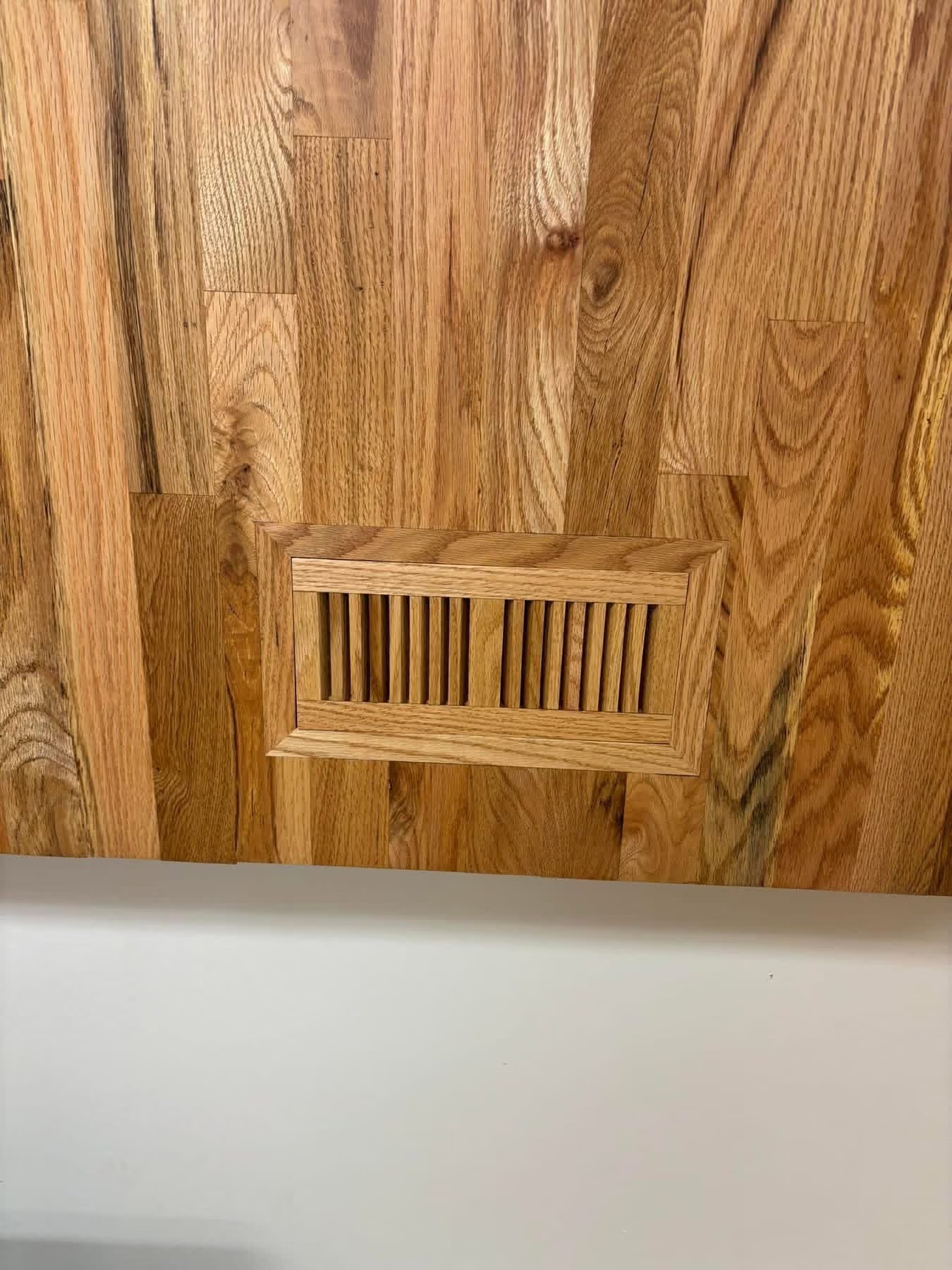
Step 4 — Installation: The floor is installed with careful attention to pattern, layout, transitions, and details around doors, vents, and edges.
Step 5 — Sanding and Staining: The installed floor is sanded to a smooth, even surface. Stain samples are tested on the actual floor before the final color is committed.
Step 6 — Finish Application: Protective finish coats are applied in stages with proper dry time between coats to build the durability and sheen the homeowner selected.
Step 7 — Final Walkthrough: Copeland walks through the finished floor with the homeowner to make sure every detail meets expectations before the project is complete.
Custom Hardwood Species and Materials Available
Copeland works with a range of domestic and exotic hardwood species to match the style and performance needs of each home.
White Oak: Warm, open grain — versatile for most rooms and transitional or modern homes.
Red Oak: Classic grain with warm tones — ideal for traditional homes and high-traffic areas.
Walnut: Rich, dark, fine grain — well suited for formal rooms and luxury or modern spaces.
Maple: Light, tight grain, clean look — a strong choice for contemporary homes and lighter design palettes.
Hickory: Bold grain with high contrast — a natural fit for rustic, farmhouse, and character-driven spaces.
Hand Scraped Hardwood: Textured, distressed, artisan finish — for homes that want warmth and lived-in character.
Brazilian Cherry: Deep red tones with dramatic grain — makes a statement in luxury installations.
Tigerwood: Bold stripe pattern with an exotic look — ideal for accent areas and distinctive design spaces.
Acacia: Varied grain with warm tones — brings unique character to natural-look floors.
Wide Plank Custom: Any species available in wider boards — best for open floor plans and high-ceiling rooms.
Why Gallatin Homeowners Choose Copeland for Custom Hardwood
Custom hardwood is not a project to hand to the lowest bidder. It requires a flooring team that understands wood, understands craftsmanship, and understands that the floor you are putting in is meant to last. Copeland Hardwood Floors has built a reputation in Gallatin and Middle Tennessee by treating every project the way a homeowner would want their own home treated. When you choose Copeland for a custom hardwood project, you are choosing a team that will take the time to do it right, not the time to do it fast.
Local to Gallatin, TN
Hardwood flooring specialists, not a general contractor
Site-finished floors for true custom color control
Dustless refinishing available
Serving Gallatin, Hendersonville, Lebanon, Goodlettsville, and surrounding areas
Free consultations and in-home evaluations
Custom Hardwood Floor Questions
What is the difference between custom hardwood and prefinished hardwood? Prefinished hardwood comes from the factory with stain and finish already applied, limiting color and sheen options. Custom site-finished hardwood is installed first, then sanded, stained, and finished inside the home, giving homeowners far more control over the final result.
How long does a custom hardwood floor installation take? Most projects take several days to a week or more depending on the size of the space and the complexity of the pattern and finish. Copeland provides a project-specific timeline after reviewing the home.
Can I choose an exotic wood species? Yes. Copeland works with exotic species including Brazilian cherry, tigerwood, acacia, and others depending on availability and project requirements.
Can custom hardwood be installed in a herringbone or chevron pattern? Yes. Custom installation patterns including herringbone, chevron, diagonal, and parquet are available and are best planned during the consultation stage.
Is custom hardwood flooring worth the investment? A well-installed and properly finished hardwood floor can last for decades, can be refinished multiple times, and adds real value to the home.
Frequently Asked Questions
Can hardwood be installed over any subfloor?
Not every subfloor is ready for hardwood installation. The subfloor needs to be clean, dry, level, and structurally sound. Moisture issues, uneven areas, or damaged subflooring should be corrected before new hardwood is installed.
What is the difference between solid hardwood and engineered hardwood?
Solid hardwood is made from one piece of wood and can often be sanded and refinished multiple times. Engineered hardwood has a real wood surface layer over a stable layered core, which can make it a good option in areas where moisture or movement is a concern.
Depending on the project, homeowners may choose solid hardwood, engineered hardwood, prefinished hardwood, unfinished hardwood, hand scraped hardwood, or specialty wood species. The right option depends on the home, subfloor, budget, style, and long-term performance needs.