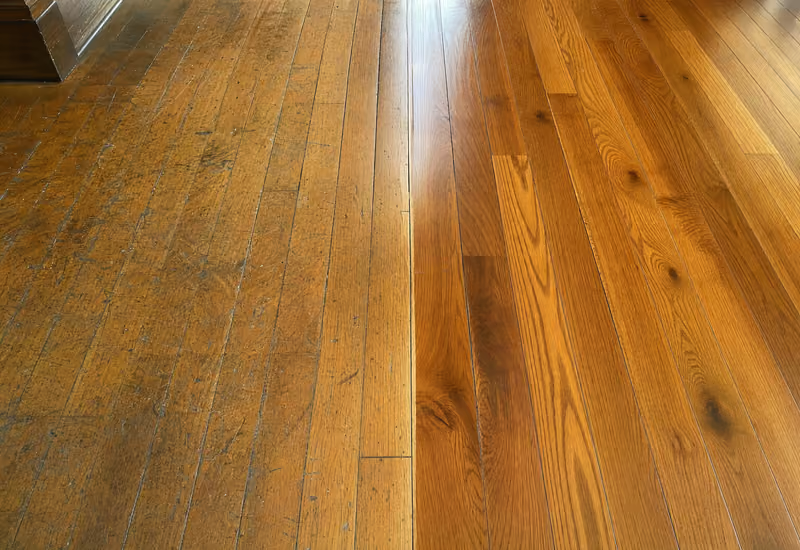
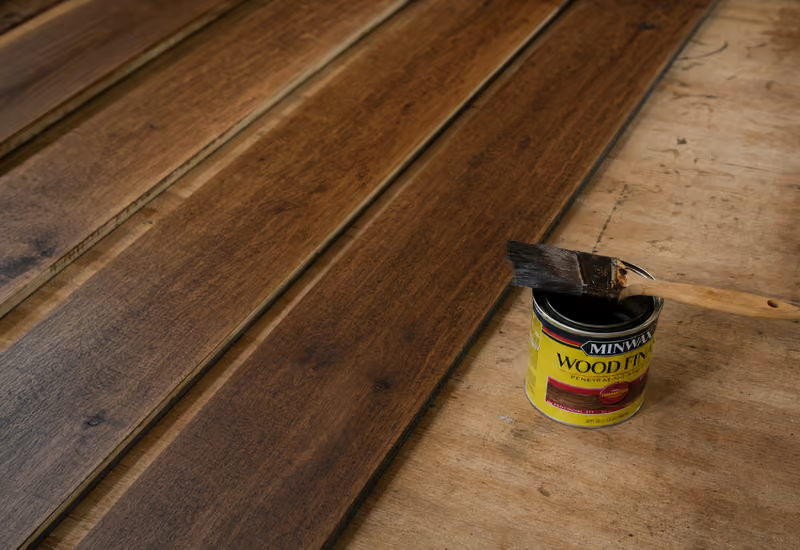
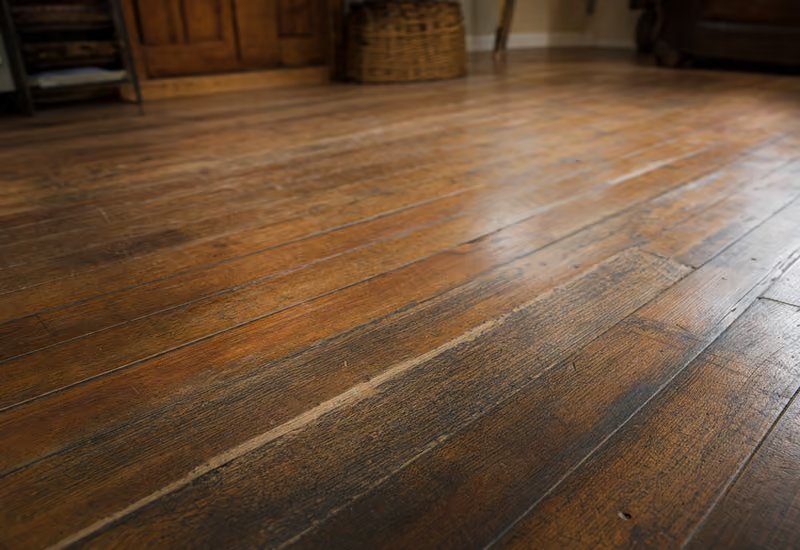
Choosing a hardwood floor stain color? Explore the top 2026 trends — from natural white oak to warm honey walnut — and learn how to pick the right shade for your Gallatin, TN home.
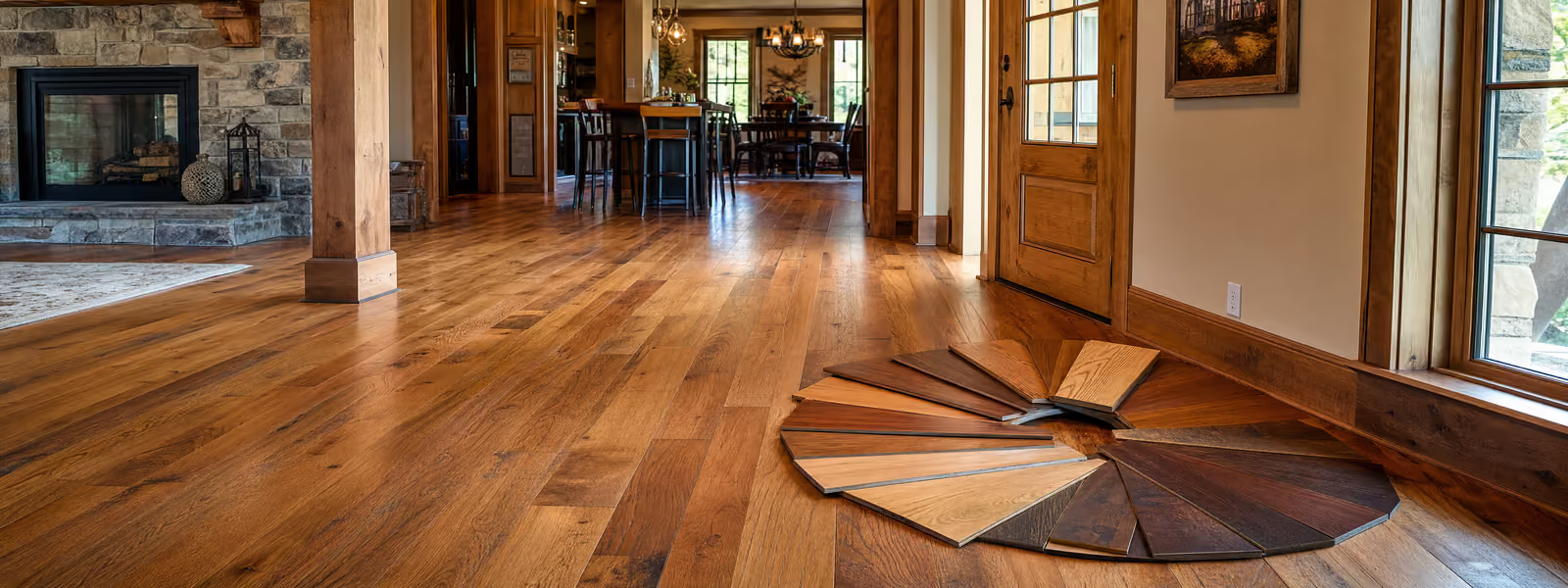
When homeowners in Gallatin, TN decide to install new hardwood or schedule hardwood floor refinishing, one of the most exciting — and challenging — decisions is choosing the stain color. The stain you select sets the foundation for your home's interior design. It affects how light the room feels, how visible dust and pet hair will be, and the overall architectural style.
As we move through 2026, hardwood floor stain trends are shifting away from extreme darks and grays toward warmer, more natural, and timeless tones. Homeowners are looking for authenticity, comfort, and colors that highlight the natural beauty of the wood grain. Here is a look at the top stain color trends and how to choose the right one for your home.
For several years, very dark espresso floors and cool, weathered grays dominated the market. While those colors still have their place in specific designs, the current trend is all about warmth and nature.
Natural and Clear Finishes (The "No Stain" Look): One of the most popular choices right now is skipping the stain altogether. Applying a clear finish, especially over White Oak or Hickory, highlights the raw, organic beauty of the wood. This look is bright, airy, and fits perfectly with modern, Scandinavian, and minimalist designs. It also does an excellent job of hiding dust and small scratches.
Warm Honey and Light Browns: Moving slightly darker than natural, warm honey and light brown stains are making a major comeback. These tones bring warmth and character to a room without making it feel dark or heavy. They offer a classic, timeless appeal that works well in both traditional and contemporary homes.
Medium Brown and Chestnut: For homeowners who want a richer, more grounded look, medium browns like chestnut or antique brown are excellent choices. These shades provide a beautiful contrast against light-colored walls and cabinetry. They are sophisticated, elegant, and less prone to showing every speck of dust compared to very dark floors.
Whitewashed and Coastal Tones: Whitewashed or lightly bleached finishes remain popular, particularly for homes aiming for a coastal, farmhouse, or shabby-chic aesthetic. This technique lightens the wood while allowing the grain to show through, creating a soft, relaxed environment.
Seeing a stain color on a screen or a small sample is different from seeing it across your entire living room. When selecting a stain during your sanding and finishing project, consider these key factors.
Consider Your Wood Species: Stain reacts differently depending on the type of wood. Red Oak has natural pink and red undertones that will influence the final color, often requiring specific stains to neutralize the red if you want a brown finish. White Oak is more neutral and accepts a wider range of stains, from very light to very dark. Hickory has intense grain variations that will absorb stain unevenly, creating a rustic look.
Evaluate the Lighting: Natural light changes how a floor looks throughout the day. A medium brown might look perfect in a sun-drenched living room but appear too dark in a hallway with no windows. Always test stain colors in the actual room where they will be applied, observing them in morning, afternoon, and artificial evening light.
Think About Maintenance: Dark floors are beautiful and dramatic, but they require more maintenance. Very dark stains show dust, pet hair, and light scratches much more easily than lighter or natural floors. If you have a busy household with pets and children, a lighter or medium-toned floor is often more forgiving.
Match Your Decor: Your floors should complement, not compete with, your cabinets, furniture, and wall colors. If you have dark wood cabinets, a lighter floor can provide a beautiful contrast. If your walls are painted in cool tones, a warm floor can bring balance to the room.
The best way to choose a stain is to see it on your actual floor. During a refinishing project, a professional hardwood flooring company will sand a small section of your floor and apply several stain samples side-by-side. This allows you to see exactly how the color interacts with your specific wood species and your home's lighting before making a final commitment. Explore all of our available stain and finish options.
Trends come and go, but hardwood floors are designed to last a lifetime. The best stain color is the one that fits your personal style, your home's architecture, and your daily lifestyle. Whether you prefer the bright, airy look of natural white oak or the rich elegance of medium brown, Copeland Hardwood Floors can help you achieve the perfect finish.
Ready to see how a new stain color can transform your home? Contact Copeland Hardwood Floors to explore your stain and finish options in Gallatin, TN.
Can I change the color of my existing hardwood floors?
Yes. If your solid hardwood floors are thick enough to be sanded, the old finish can be removed, and a completely new stain color can be applied during the refinishing process.
What hardwood floor color is best for hiding dirt and scratches?
Lighter colors, natural finishes, and floors with prominent grain patterns (like hickory or oak) are the best at hiding dust, pet hair, and minor scratches.
Does the type of wood affect the stain color?
Absolutely. The same stain will look different on Red Oak, White Oak, Maple, and Pine due to the wood's natural undertones, grain density, and porosity.